
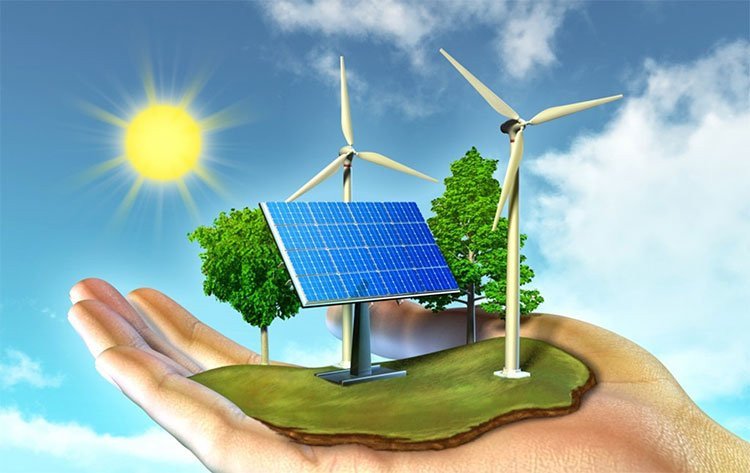
Renewable energy projects have emerged as powerful catalysts for addressing two pressing global challenges: economic stagnation and environmental degradation. These initiatives generate measurable returns through job creation, technological advancement, and energy independence while simultaneously reducing carbon emissions and preserving natural resources. The intersection of financial viability and ecological responsibility has transformed how governments and private sectors approach infrastructure development. Understanding the mechanisms behind these dual benefits reveals why renewable energy has become essential to modern policy frameworks and long-term planning strategies.
Why Renewable Energy Projects Are Central to Sustainable Economic Growth
As global economies confront the dual imperatives of climate mitigation and long-term prosperity, renewable energy projects have emerged as essential infrastructure for sustainable growth. These initiatives generate employment across manufacturing, installation, and maintenance sectors while reducing dependence on volatile fossil fuel markets. By lowering operational costs through predictable energy pricing, renewables enhance business competitiveness and attract investment capital seeking stable returns.
The shift stimulates technological innovation and creates export opportunities in clean energy equipment and expertise. Renewable infrastructure also decentralizes power generation, strengthening energy security and grid resilience.
In addition, reduced carbon emissions mitigate climate-related economic risks, from agricultural disruption to infrastructure damage. This convergence of financial viability and environmental stewardship positions renewable energy as the cornerstone of economies capable of sustaining prosperity without depleting natural resources.
The Environmental Benefits of Expanding Clean Energy Infrastructure
Expanding clean energy infrastructure delivers considerable environmental benefits that extend far beyond carbon emission reductions.
Solar, wind, and hydroelectric systems greatly decrease air pollution by eliminating particulate matter and toxic emissions associated with fossil fuel combustion. This reduction directly improves public health outcomes and preserves ecosystem integrity.
Clean energy infrastructure minimizes water consumption compared to conventional power plants, which require vast quantities for cooling processes. Renewable facilities also reduce soil contamination and habitat destruction caused by mining and drilling operations. Additionally, distributed renewable systems decrease transmission losses and land disruption from extensive power line networks.
The shift to clean energy infrastructure protects biodiversity by limiting industrial encroachment into sensitive ecosystems. These cumulative environmental improvements create resilient natural systems capable of supporting long-term ecological balance and human prosperity.
How Renewable Energy Investments Create Jobs and Support Local Economies
Renewable energy investments generate substantial economic opportunities through direct job creation across multiple sectors and skill levels. Manufacturing facilities producing solar panels, wind turbines, and energy storage systems require engineers, technicians, and assembly workers.
Installation projects employ electricians, construction workers, and project managers, while ongoing operations create maintenance positions in rural and urban areas. Local economies benefit as renewable projects stimulate demand for supplies, equipment, and services from regional businesses. Property tax revenues from wind and solar farms fund schools, infrastructure, and public services in host communities.
Rural landowners receive lease payments for hosting turbines or panels, providing stable supplemental income. Additionally, renewable investments attract further economic development, as businesses increasingly prioritize locations with clean energy access and sustainability credentials, creating multiplier effects throughout regional economies.
The Role of a Solar Land Solutions Provider in Facilitating Project Development
Solar land solutions provider serve as critical intermediaries between landowners and renewable energy developers, streamlining the complex process of identifying, securing, and preparing suitable sites for large-scale photovoltaic installations.
These specialists conduct thorough land assessments, evaluating topography, solar irradiance, grid connectivity, and zoning regulations to determine site viability. They negotiate lease agreements that protect landowner interests while meeting developer requirements, ensuring fair compensation structures and clear terms.
Providers manage due diligence processes, coordinating environmental studies, title searches, and permitting procedures that might otherwise delay project timelines. By handling technical and legal complexities, solar land solutions providers reduce transaction costs and accelerate deployment schedules.
Their expertise proves particularly valuable in maneuvering local regulatory frameworks and community engagement, fostering relationships that support long-term project success and regional economic development.
Balancing Land Use, Community Interests, and Long-Term Energy Goals
When large-scale solar installations compete with agricultural, conservation, and residential priorities, careful planning becomes essential to satisfy diverse stakeholder needs while advancing clean energy targets.
Developers must conduct thorough environmental impact assessments, engage local communities early in the process, and identify sites that minimize disruption to existing land uses. Co-location strategies, such as agrivoltaics, allow solar panels and farming operations to coexist productively on the same parcels.
Zoning regulations and land-use policies guide where renewable installations can be sited, protecting ecologically sensitive areas and prime farmland. Transparent communication with residents addresses concerns about visual impacts, property values, and wildlife corridors.
Technological Innovations Improving the Efficiency and Scalability of Renewable Energy Projects
As the renewable energy sector matures, breakthroughs in materials science, digital monitoring, and energy storage are driving dramatic improvements in project performance and cost-effectiveness. Advanced photovoltaic cells now convert sunlight at unprecedented efficiency rates, while perovskite tandem solar panels promise further gains.
Wind turbines benefit from carbon fiber blades and AI-powered predictive maintenance systems that optimize output and reduce downtime. Battery technology developments, particularly lithium-ion and emerging solid-state alternatives, enable grid-scale storage that addresses intermittency challenges.
Smart grid infrastructure integrates machine learning algorithms to balance supply and demand in real-time. These innovations collectively reduce levelized costs of energy, making renewable projects increasingly competitive with fossil fuels. Enhanced scalability allows deployment across diverse geographic contexts, accelerating the global shift toward sustainable energy systems.
Future Trends in Clean Energy Supporting Both Economic Development and Environmental Responsibility
The convergence of technological maturity and policy commitment now positions clean energy as a primary engine for economic expansion while meeting climate objectives.
Emerging trends include green hydrogen production, which enables industrial decarbonization and creates high-value employment opportunities. Advanced energy storage systems will stabilize grids while reducing reliance on fossil fuel peaking plants, generating new manufacturing sectors. Offshore wind expansion promises substantial coastal economic development alongside carbon reduction targets.
Artificial intelligence optimization of renewable energy systems will maximize output efficiency and minimize operational costs. Circular economy principles applied to solar panel and turbine blade recycling will establish sustainable supply chains. Carbon pricing mechanisms and climate-linked financing will accelerate investment flows toward clean energy infrastructure. These developments demonstrate that economic prosperity and environmental stewardship are increasingly interdependent rather than competing priorities.