
Digital systems now handle massive volumes of information every day. Files, analytics data, configurations, and operational records are processed by the companies on a continuous basis. Due to such a sudden expansion, the organizations must have an effective means to handle and organize information. There were many teams who used to depend on naming systems. Nonetheless, such systems tended to become confusing to the increase in data. It was hard to trace the processes or find the right information as the labels were not arranged in the same way. As a result, organizations started using systematic identification models. An example of one such structured identifier is jeo585.540.6. It is a uniform reference system, which assists teams to label, track and control information effectively. When these identifiers are used by organizations, then confusion is minimized and operations become very clear.
Moreover, systemic identifiers contribute to automation and computerization. The format is recognized by systems fast and this enhances speed in data processing. Thus, the teams will be able to concentrate on operations and not correcting mistakes in labeling. The identifier jeo585.540.6 shows that a structured system can be used to help humans to understand as well as process the information through machines. Due to such a potential, numerous online settings are based on the same structured models of identification.
What is jeo585.540.6?
The identifier jeo585.540.6 is a structured format of reference that is used to organize and classify digital information. It assists systems to name elements in a foreseeable way, which enhances simplicity and minimizes misunderstandings in the operation. Structured formats are also known to be patterned unlike random identifiers. All the parts of the identifier do make sense. Consequently, teams will be able to monitor processes and assets without having to use imprecise labels.
Moreover, identifiers can be interpreted automatically by the digital platforms due to its structured format. Segmentation is done, and information is categorized rapidly based on systems. Thus, the organizations will have a cleaner database and enhanced workflow management. Operational tracking and long-term scalability of a system is supported by jeo585.540.6 due to its logical structure.
Understanding the Role of jeo585.540.6 in Digital Systems
Organizations have thousands of components under digital management. These elements are system modules, project tasks, operational processes and data segments. These elements will be hard to monitor and control without structure.
The identifier of jeo585.540.6 provides a certain solution. It brings a systematic nomenclature system which enables a team to systematize the information. Because each part of the identifier contains meaning, users quickly understand what the reference represents.
| Label Type | Example | Result |
| Random Label | File-48291 | Hard to understand |
| Structured Identifier | jeo585.540.6 | Clear reference |
Consequently, structured identifiers support efficient communication within technical and operational teams. Organizations also benefit from improved system monitoring and faster troubleshooting.
Structure and Meaning Behind the jeo585.540.6 Identifier
Every structured identifier contains logical segments that represent different classifications. These segments help systems interpret the identifier while also helping users understand the reference context. The identifier jeo585.540. 6 follows a layered structure. Each segment carries a specific role within the classification system. When teams analyze the identifier, they can identify the system group, functional category, and unique record reference.
| Identifier Segment | Purpose |
| First Segment | System category |
| Middle Segment | Operational group |
| Final Segment | Unique reference |
Because this structure remains predictable, organizations process identifiers quickly and accurately. Systems recognize patterns easily, which improves automation and reduces manual verification. Moreover, structured identifiers also improve reporting clarity. Managers can track processes or components without scanning multiple records.
Core Functional Characteristics of jeo585.540.6
The identifier jeo585.540.6 performs effectively because of its structured design and predictable behavior. Several features make it valuable for organizations that manage complex digital environments.
First, the identifier maintains consistency across platforms. Teams interpret the identifier easily because the structure remains stable. Second, systems recognize the pattern quickly, which allows automation tools to validate entries efficiently.
Important functional characteristics include:
- Clear and consistent identifier format
- Compatibility with automation systems
- Reliable tracking across digital platforms
- Reduced human errors during data entry
| Feature | Operational Benefit |
| Predictable structure | Faster understanding |
| Machine-readable format | Supports automation |
| Consistent naming logic | Reduces confusion |
| Traceable references | Improves governance |
Additionally, the identifier supports strong traceability. Organizations track operational changes or system updates through structured references. Because of these characteristics, jeo585.540.6 helps organizations maintain organized digital systems while reducing operational complexity.
Industry Applications in Organizational Workflows
Structured identifiers are employed in many industries with the aim of maintaining digital assets in large scale. To identify the modules of the system and deployment settings, technology teams use identifiers. They are used to track shipments and inventory processes by the logistics organizations. Likewise, to report and evaluate performance, analytics groups implement structured identifiers to divide data. Therefore, Identifiers are constant and allow analysts to give meaning to datasets within a short period of time.
| Industry | Application |
| Technology | Software configuration tracking |
| Logistics | Shipment and inventory monitoring |
| Education | Digital resource classification |
| Data analytics | Dataset segmentation |
| Compliance | Regulatory documentation tracking |
Moreover, the structured identifiers also enhance the departmental coordination. The same reference system can be used by teams working in various divisions. Thus, there is greater clarity and ease in operations.
Advantages of Using jeo585.540.6 Over Informal Labeling Systems
Traditional labeling systems often rely on informal naming conventions. Though it might be effective in small settings, these methods fail to be reliable when the size of the systems increases. jeo585.540.6 is a sign of how formal systems are superior to informal labels. Formatted formats are clean and enable automation and minimise chances of operational errors.
| Factor | Informal Labels | Structured Identifier |
| Clarity | Often inconsistent | Highly organized |
| Scalability | Limited | Easily scalable |
| Automation | Difficult | Fully compatible |
| Error Rate | Higher | Significantly lower |
Implementation Strategy for jeo585.540.6 in Organizations
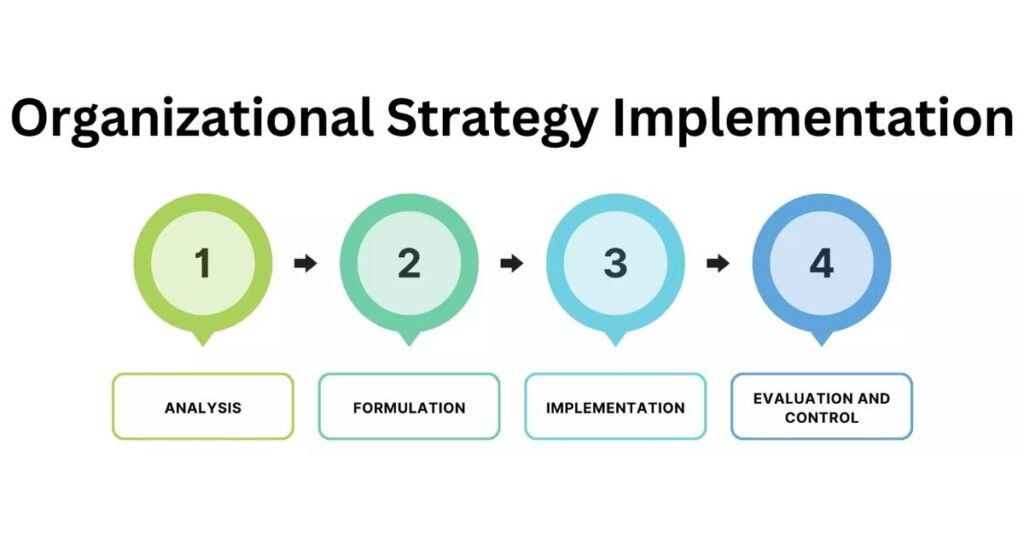
Organizations should follow a structured approach when implementing identifier systems. To begin with, teams need to establish a clear identifier structure that defines the manner in which every segment reflects information. The organizations should then incorporate identifier format to system platforms. Such integration will make sure that digital tools identify and handle identifiers appropriately.
| Implementation Phase | Objective |
| Planning | Define identifier structure |
| Integration | Connect identifier to systems |
| Training | Educate employees |
| Monitoring | Maintain consistent usage |
After implementation, organizations should train employees to apply the identifier consistently. Training will ensure that it minimizes errors and make sure that the various departments are organized in the same way. The structured approach to organizations enables organizations to adopt it with ease and enjoy stability in operations in the long run.
Long-Term Strategic Impact in Digital Infrastructure
Digital systems keep on growing annually. With the increase in volumes of data, organizations need to have good organizational structures. This stability is offered by structured identifiers. The identifier of the type of jeo585.540.6 enables companies to operate on a large scale without losing control over the arrangement of data. Information is correctly registered by teams and information is efficiently processed by systems. In addition, the structured identifiers save money in the long-run. The amount of time that the employees spend on rectifying mistakes or finding information has reduced. As a result, the productivity is enhanced and the work processes are efficient.
Organizations that have structured identifiers also enjoy more visibility of operations. It is easier to review reports made by managers, as the data is presented in the same format. Hence, coordinated identifiers facilitate sustainable online advancement and enhanced execution management.
Conclusion:
The contemporary digital world demands robust organizational frameworks to process increasing data complexity. Formatted identifiers offer the clarity that companies require in order to operate their work processes well. The identity of jeo585.540.6 shows that structured formats enhance the organization of systems, automation, and transparency of operations. Teams have an advantage of more effective communication, quicker data processing, and fewer errors. With the ever-growing digital systems, organisations need to cling to organized systems to ensure efficiency. The use of identifiers like jeo585.540.6 enhances the ability of companies to manage their data and undoubtedly promotes the expansion of their operations in the long-run.
Also Read About: Antivirus Freedoor2.4.6.8 Guide: Safety, Features, Risks